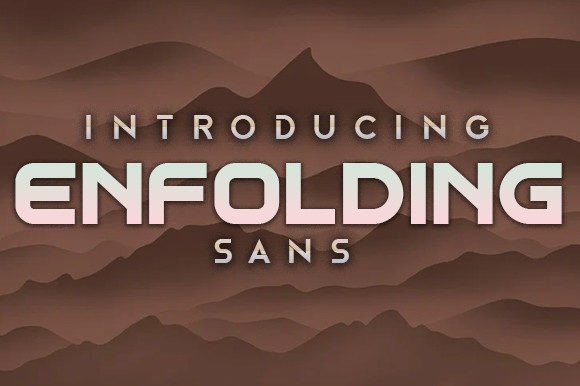
Enfolding Font: A Display Typeface for Makers
As a small business owner and creator, finding the right typography is often the difference between a product that looks homemade and one that looks professionally designed. We spend hours perfecting our crafts, whether we are pouring soy candles, designing wedding stationery, or creating digital planners for Etsy. The typeface you choose acts as the voice of your brand, communicating quality and style before a customer even reads the words. Enfolding is an awesome display typeface that has quickly become a staple in my design toolkit because it bridges the gap between artistic expression and commercial readability. It is not just another decorative font; it is a versatile tool specifically suited for the unique demands of physical products and printable goods.
Elevating Handmade Products with Modern Typography
When we talk about display fonts in the crafting community, we often worry about legibility. Many creative fonts sacrifice function for form, making them impossible to read on a small jar label or a distant shop sign. Enfolding avoids this pitfall by maintaining a strong structural integrity while offering distinct visual charm. Its personality strikes a balance that is essential for sellers: it feels bespoke and artisanal without appearing messy or amateurish. This makes it particularly effective for product packaging where perceived value matters immensely. When a customer picks up a handmade soap bar or a boutique candle, the typography on the label validates the price point and the craftsmanship inside.
I have found Enfolding to be exceptionally useful for establishing brand consistency across different mediums. As makers, we often juggle multiple product lines, from physical inventory to digital downloads. Using a cohesive typeface like Enfolding helps tie these disparate elements together. Whether it is stamped onto a kraft paper tag, printed on a glossy sticker, or rendered as a header in a PDF guide, the font retains its character. This consistency builds brand recognition, helping repeat customers instantly identify your work at craft fairs or in online marketplaces. The visual weight of the letterforms ensures they hold their own against textured backgrounds, busy patterns, or colorful product photography.
Practical Applications for Crafters and Sellers
The true test of any premium font is how it performs in real-world production scenarios. Enfolding shines in applications where space is limited but impact is necessary. For those of us running cutting machines like Cricut or Silhouette, clean vector lines are non-negotiable. Intricate serifs or rough edges can cause tearing in vinyl or paper, but Enfolding’s construction is generally cutter-friendly, allowing for crisp weeding and smooth application on tumblers, tote bags, and car decals. Beyond vinyl, this typeface is a powerhouse for print-on-demand merchandise. On t-shirts and sweatshirts, the bold nature of the display style ensures the design remains readable from a distance, which is crucial for apparel sold at markets or through social media ads.
- Wedding Stationery: Use Enfolding for couple names on welcome signs, seating charts, and invitation headers to create a modern yet romantic focal point.
- Product Labels: Perfect for candle jars, cosmetic bottles, and pantry organization stickers where clarity and aesthetic appeal must coexist.
- Digital Printables: Ideal for wall art quotes, planner covers, and educational flashcards that require a friendly, approachable headline style.
- Seasonal Merchandise: Works beautifully for holiday banners, gift tags, and limited-edition packaging that needs to stand out in a crowded feed.
- Social Media Graphics: Creates high-contrast text overlays for Instagram stories and Pinterest pins that stop the scroll.
Mastering Font Pairings and Layout Balance
While Enfolding is stunning on its own, knowing how to pair it effectively will expand its utility in your shop. Because it is a display typeface with significant personality, it works best when anchored by simpler supporting fonts. For a clean, modern minimalist look, pair Enfolding with a geometric sans serif font for body text. This combination is excellent for skincare labels or tech accessory branding where you want a touch of warmth without clutter. Alternatively, if you are designing for a more traditional or rustic niche, such as farmhouse decor or vintage-inspired apparel, try pairing it with a delicate handwritten font or a classic serif font. The contrast between the structured display letters and organic script creates a dynamic visual hierarchy that guides the viewer’s eye naturally.
Layout considerations are equally important when working with this typeface. Since Enfolding is designed for display use, it is most effective in short bursts—titles, names, slogans, or single-word statements. Avoid using it for long paragraphs or dense legal disclaimers on your packaging; reserve those spaces for highly legible body fonts. When setting Enfolding in all caps, pay close attention to tracking (letter spacing). Tightening the spacing slightly can create a solid, logo-like block of text perfect for tags and stamps, while increasing the spacing can lend an airy, luxurious feel suitable for high-end invitations or spa signage. Always preview your layout at actual size before sending files to print or cutting vinyl, as screen resolution can sometimes deceive the eye regarding negative space.
Technical Considerations and Commercial Licensing
Before incorporating Enfolding into your next bestseller, take a moment to explore the technical assets included with the download. Many modern display fonts come with valuable extras like ligatures, alternates, and swashes that can customize the look of specific letter combinations. These features allow you to avoid awkward gaps or repetitive shapes in custom logos and monograms. Additionally, check for multilingual support if you sell internationally or cater to diverse communities; having access to extended character sets ensures your designs remain inclusive and professional. Verify the file formats provided as well; OTF and TTF files are standard for desktop publishing and word processors, while WOFF files are necessary if you plan to use the font on your Shopify or WordPress site.
Perhaps the most critical aspect for any seller is understanding the commercial licensing terms. Using a font for personal projects is vastly different from using it to generate income. Ensure your license for Enfolding covers your specific business model. If you are selling physical end-products like mugs or shirts, a standard commercial license usually suffices. However, if you are selling digital templates, editable Canva links, or SVG cut files where the end-user interacts directly with the font glyphs, you may require an extended or OEM license. Respecting intellectual property protects your business from legal issues and supports the type designers who create these essential tools. Always keep your license receipt on file, as platforms like Etsy or Creative Market may request proof of commercial rights during shop reviews or dispute resolutions.
Integrating Enfolding into your creative workflow offers a pathway to more polished, marketable products. It provides the visual confidence needed to compete in saturated niches while retaining the handmade heart that customers love. By focusing on practical application, thoughtful pairing, and proper licensing, you transform this typeface from a simple digital asset into a cornerstone of your brand identity. Whether you are updating your packaging, launching a new printable collection, or refreshing your social media presence, this display font delivers the reliability and beauty that modern makers demand.